
Optilight
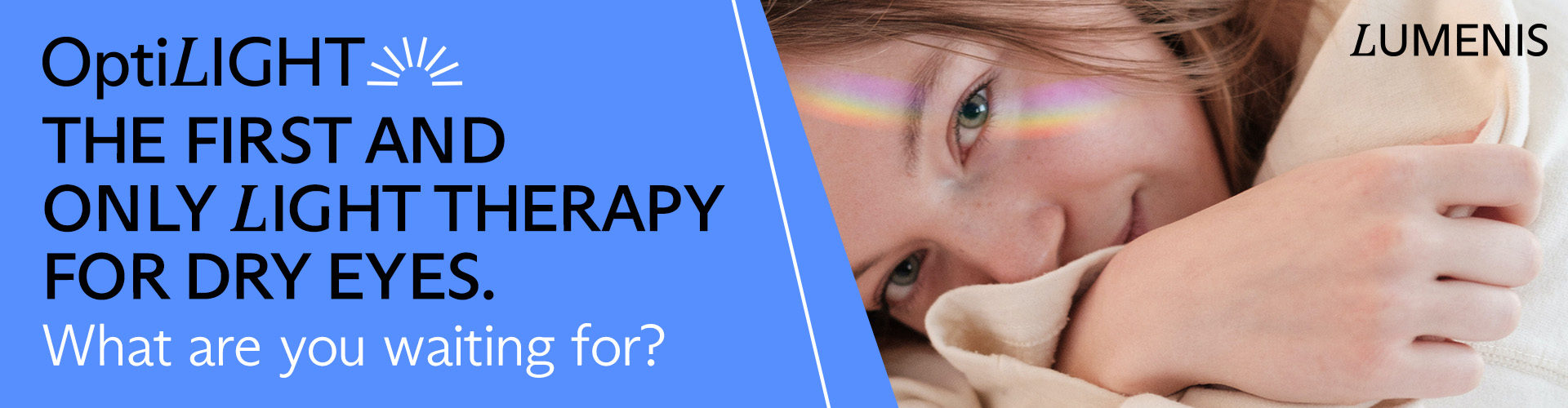
Suffering From Dry, Itchy, Red, or Burning Eyes?
You are not alone. An estimated 30 to 40 million Americans experience dry eye disease.
Meibomian Gland Dysfunction is a leading cause of dry eye, responsible for approximately 86 percent of cases.
Dry eye disease due to MGD can significantly impact quality of life, causing irritation, discomfort, blurry vision, and watery eyes.
We understand how frustrating dry eye symptoms can be, and effective treatment options are available.

The First and Only FDA-Approved Light Therapy for Dry Eye Management
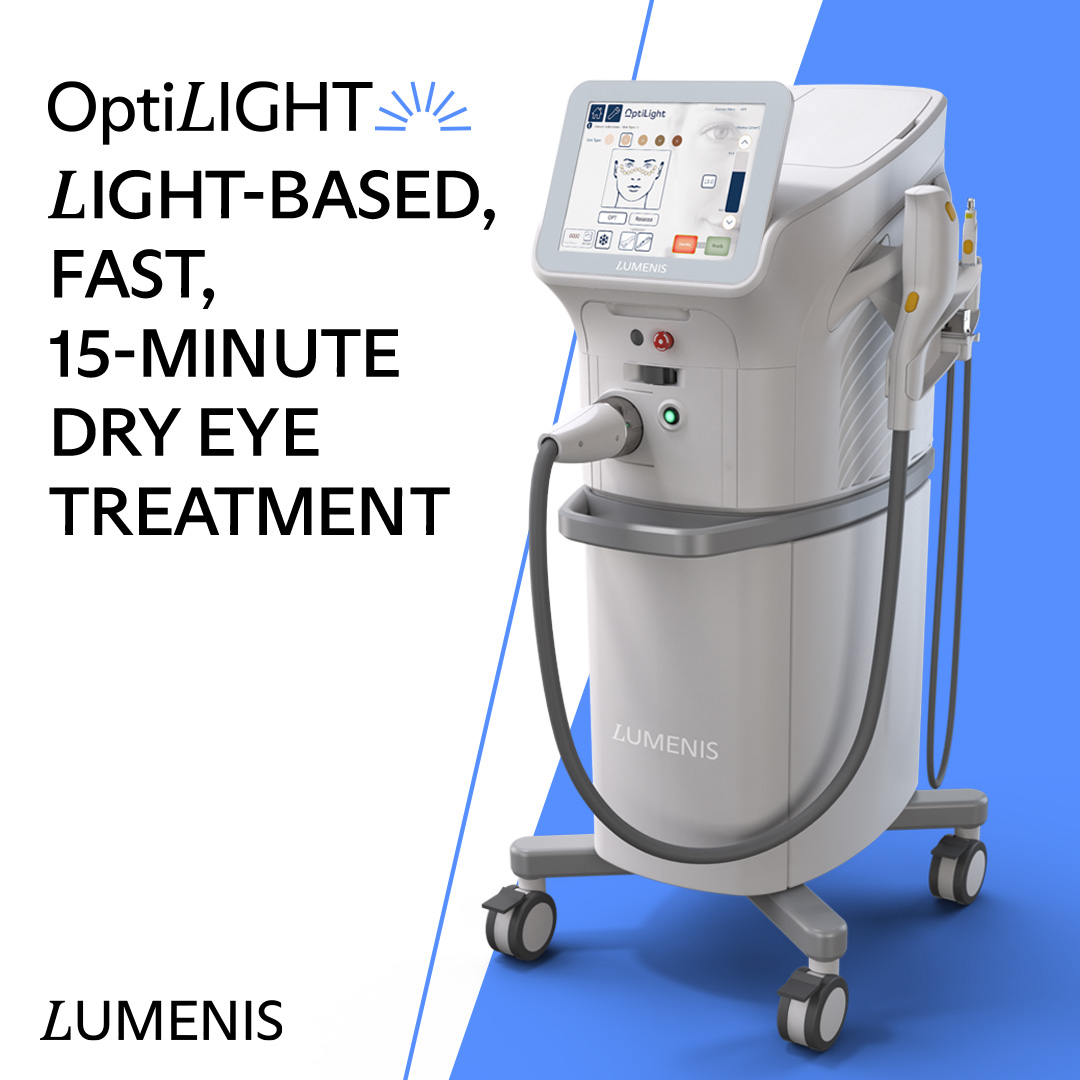
OptiLIGHT uses patented Optimal Pulse Technology to deliver precise, controlled light energy that targets inflammation, one of the key underlying factors of dry eye disease due to MGD.This advanced therapy is designed to safely reach the delicate contours of the treatment area, setting a new standard in dry eye care and offering patients a proven, long-term solution.
A Real Solution for Dry Eyes
Backed by clinical studies, OptiLIGHT uses advanced light-based technology to safely and effectively improve signs of dry eye disease caused by Meibomian Gland Dysfunction (MGD).OptiLIGHT is designed with patient comfort and precision in mind, delivering controlled light energy to target inflammation and support healthier gland function.
What to expect:
A typical treatment plan includes four sessions spaced two to four weeks apart
Each session takes approximately 10 to 15 minutes
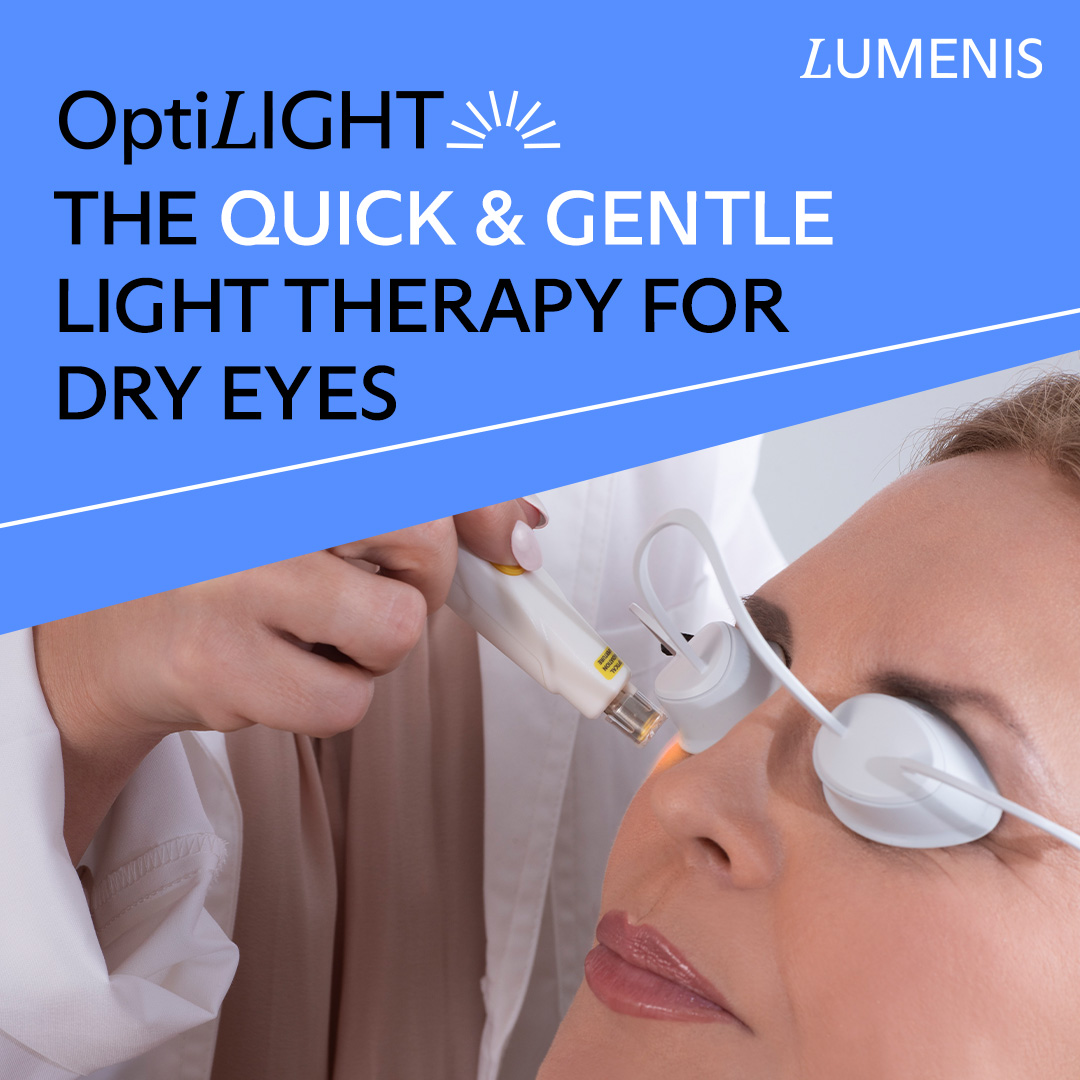
A cooling gel is applied and protective shields are placed over the eyes
Most patients feel a gentle warming sensation with minimal discomfort
OptiLIGHT treatments are often followed by meibomian gland expression to enhance results and improve tear quality.
Gentle, Fast, No Downtime
Following treatment, you may experience mild redness that usually resolves within a few hours. Most patients return to normal daily activities immediately, including work and makeup application.
Patients are advised to avoid direct sun exposure for a few days and apply sunscreen as recommended.
Many patients begin noticing improvement after their second or third treatment. For best long-term results, maintenance treatments are typically recommended every six to twelve months.
Quick Links
Helpful Articles
article_category: products
article_category: psychiatry
article_category: faqs
article_category: cats
article_category: general
article_category: services
article_category: technology
article_category: dogs
article_category: restorative
article_category: vision therapy
article_category: contact lenses
article_category: health
article_category: conditions
article_category: eye surgery co-management
article_category: exotic
article_category: cosmetic
article_category: surgical procedures
article_category: aesthetics
article_category: preventative
article_category: ocular disease management
article_category: eyeglasses
article_category: eye health
article_category: large animal
[]
article_category: psychiatry
article_category: faqs
article_category: cats
article_category: general
article_category: services
article_category: technology
article_category: dogs
article_category: restorative
article_category: vision therapy
article_category: contact lenses
article_category: health
article_category: conditions
article_category: eye surgery co-management
article_category: exotic
article_category: cosmetic
article_category: surgical procedures
article_category: aesthetics
article_category: preventative
article_category: ocular disease management
article_category: eyeglasses
article_category: eye health
article_category: large animal
[]
Flowbite is an open-source library of interactive components built on top of Tailwind CSS including buttons, dropdowns, modals, navbars, and more.
Check out this guide to learn how to get started and start developing websites even faster with components on top of Tailwind CSS.
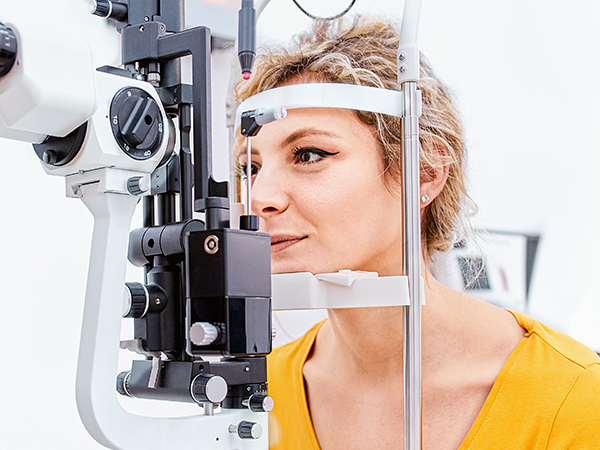
All Eye Care Services
Find personalized eye care excellence with our comprehensive services. From eye exams to advanced diagnostics, trust us for all your vision needs.
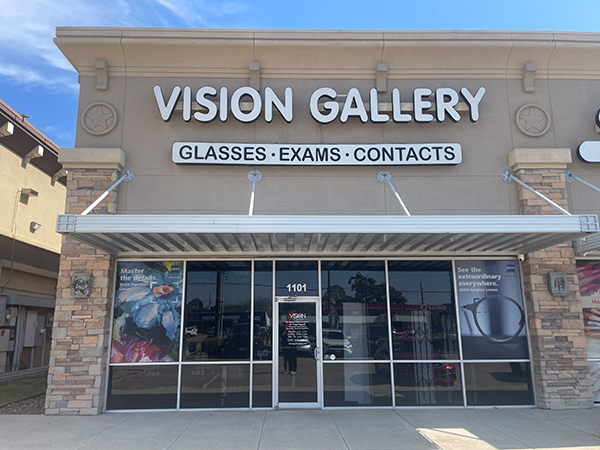
Keep In Touch
For non-urgent questions or to learn more about our services, contact us today!

Optical Services
Eyecare Services
Contact Info
Hours of Operation
- Monday 9:00am - 5:00pm
- Tuesday 8:00am - 4:00pm
- Wednesday 9:00am - 5:00pm
- Thursday 9:00am - 5:00pm
- Friday 9:00am - 5:00pm
- Saturday Closed
- Sunday Closed
- Monday
- Tuesday
- Wednesday
- Thursday
- Friday
- Saturday
- Sunday
- Monday
- Tuesday
- Wednesday
- Thursday
- Friday
- Saturday
- Sunday
© 2026 Vision Gallery. All rights Reserved - Accessibility Statement - Privacy Policy - Sitemap
Managed and Designed by 